
General News
Invasive species a threat to Nottawasaga watershed
April 4, 2024 · 0 Comments
By Brian Lockhart
With the spring weather approaching, plant life will start growing again, and that includes invasive species that are not native to Ontario.
Invasive species are a significant threat to the Nottawasaga watershed. They are non-native plants and animals that aggressively take over habitat from native wildlife and plants.
The species usually spread with the help of humans, animals, wind and water. They out-compete native species for resources, directly kill other species, introduce disease or hybridize with native species and take over their habitat which can adversely impact the environment, the economy, or even human health.
Most of the time, invasive species don’t have natural predators.
In terms of the economy, it has been estimated that the annual financial impact of invasive species across all sectors of the Great Lakes basin is nearly $30 million.
Within the Nottawasaga Valley Conservation Authority jurisdiction, phragmites are a significant problem in many wetlands while garlic mustard is a threat in hardwood forests. Even the provincial flower – the white trillium – is impacted by invasive species.
The emerald ash borer is causing mass destruction in ash trees. Zebra and quagga mussels have impacted the entire Georgian Bay ecosystem.
A small fish, the round goby, has colonized the shoreline and larger river systems.
Early detection and rapid response are essential for the control or eradication of invasive species.
You can report an invasive species if you find it at http://www.eddmaps.orgt/ontario.
The NVCA has worked on several local projects to remove invasive species.
The NVCA has identified the top 12 invasive species that are causing problems in Ontario.
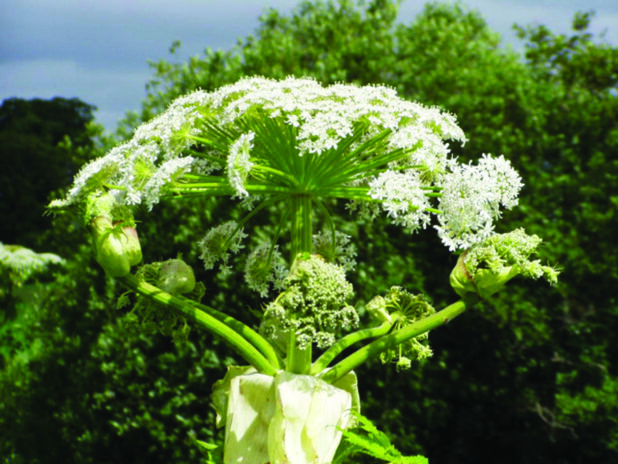
Plants include common and glossy buckthorn, dog-strangling vine, garlic mustard, giant hogweed, Norway maple, phragmites, rough manna grass, and wild parsnip.
Invasive marine life includes the round goby, rusty crayfish, and zebra and quagga mussel.
The emerald ash borer has caused significant damage to ash trees in the province.
You can report sightings of invasive species and take corrective action on your own land if you find plants growing on your property.
Readers Comments (0)
